Supply Chain
How trade service partners reduce errors and delays for small Norwegian exporters
Even a simple shipping mistake can stall your entry into a new market.
Liv Halvorsen
July 10, 2026
Small and mid-size companies aiming to export often face daunting paperwork and unfamiliar customs procedures. With the right support, documentation errors drop and delivery times speed up. Still, global trade brings surprises—so ongoing, adaptable support matters.
80% paperwork error drop
Reducing export-import paperwork mistakes
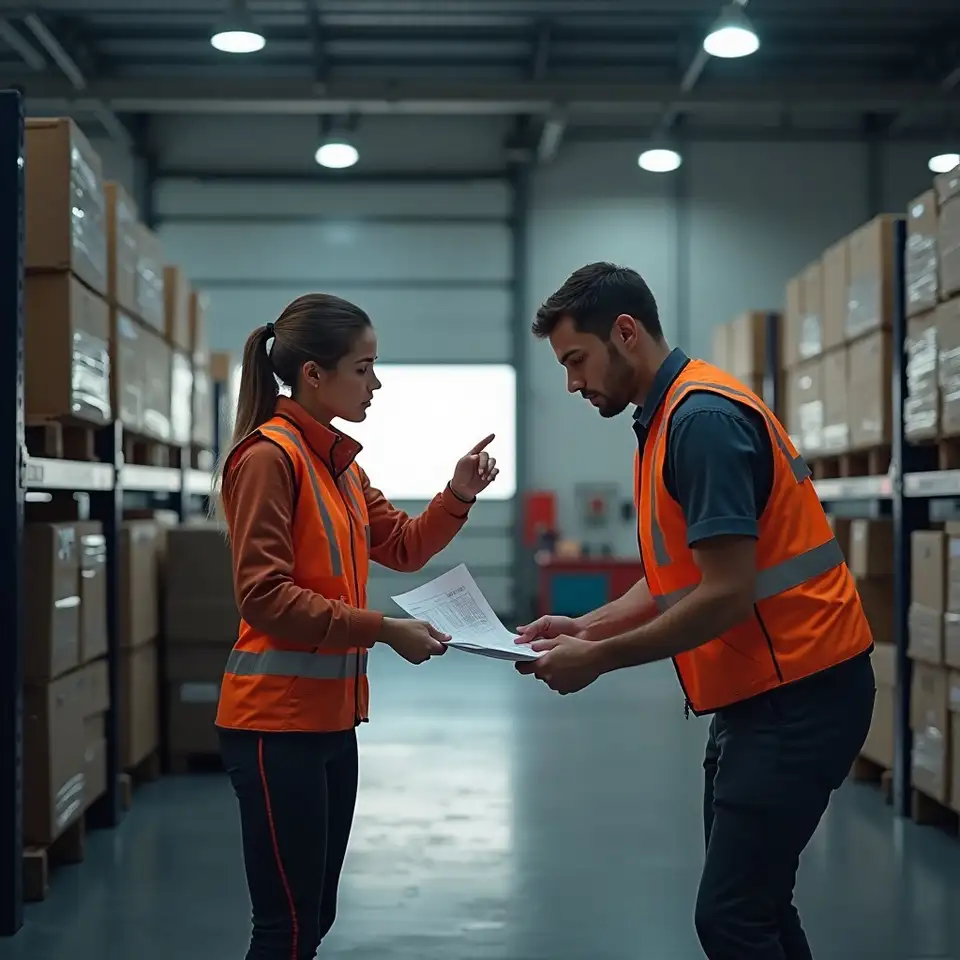
Picture your business preparing its first major shipment outside Norway. The documentation checklist alone can seem endless. Incorrect paperwork isn’t just a headache—it can halt shipments or trigger costly reviews. By partnering with a trade specialist, businesses see a dramatic decrease in errors, thanks to proactive compliance checks and experienced documentation teams. There’s always the question: what happens when new regulations appear unexpectedly? That’s why ongoing support is critical to keeping operations smooth as international standards evolve.
2 weeks faster delivery
Speeding up cross-border delivery
When supply chains stretch across continents, time becomes a crucial asset. Businesses often find themselves asking: how can we get shipments through customs without unnecessary delays? Trade service providers monitor cargo, coordinate logistics, and pre-empt customs issues by liaising directly with border agencies. Yet, each market brings its own complexities. Can every delay be avoided? Not always—but with local insight and clear communication, delivery times can be improved significantly, even as global conditions shift.
70+ trusted supplier links
Building reliable global supplier networks
It can be intimidating to vet new suppliers from halfway across the globe. Many wonder, what if a supplier falls short of expectations or quality standards? Trade partners use rigorous screening and relationship-building practices to connect businesses with reliable sources. While no network is flawless, ongoing due diligence and local contacts help reduce surprises. There’s still an open question: how can trust best be maintained as markets and relationships change?